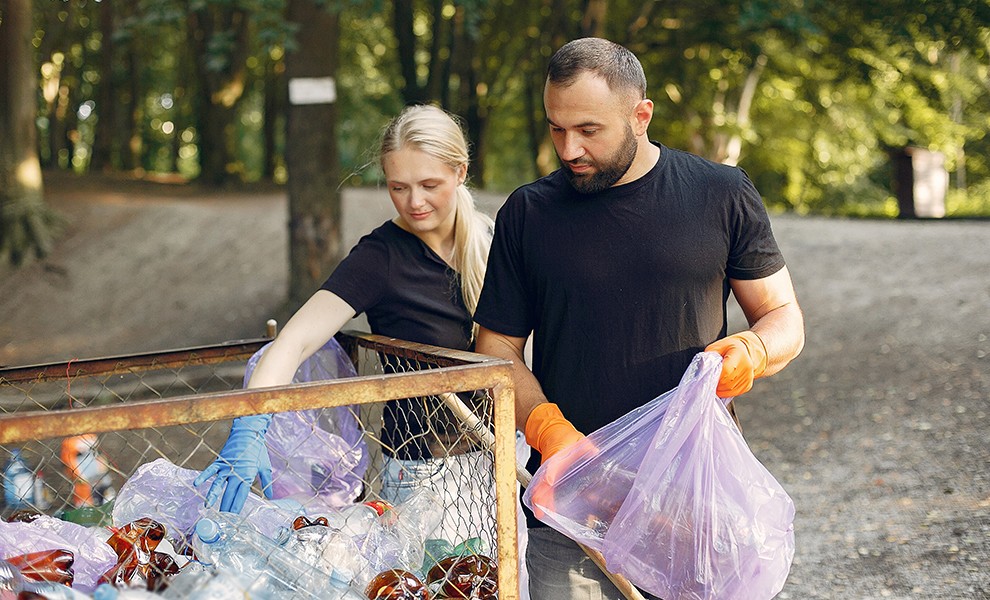
Transforming waste into a resource: urban recycling initiative
By promoting recycling and composting, and establishing waste-to-energy technologies.
Problem
Urban areas often face significant challenges with waste management, including the accumulation of trash in public spaces, landfills reaching capacity, and contamination from non-recyclable materials. A lack of effective recycling programs and waste segregation results in valuable resources, such as plastics and metals, ending up in landfills, contributing to pollution and resource depletion.
Solution
The Urban Recycling Initiative was launched to tackle waste management issues by transforming waste into valuable resources through efficient recycling programs and community engagement. Key aspects of the solution included:
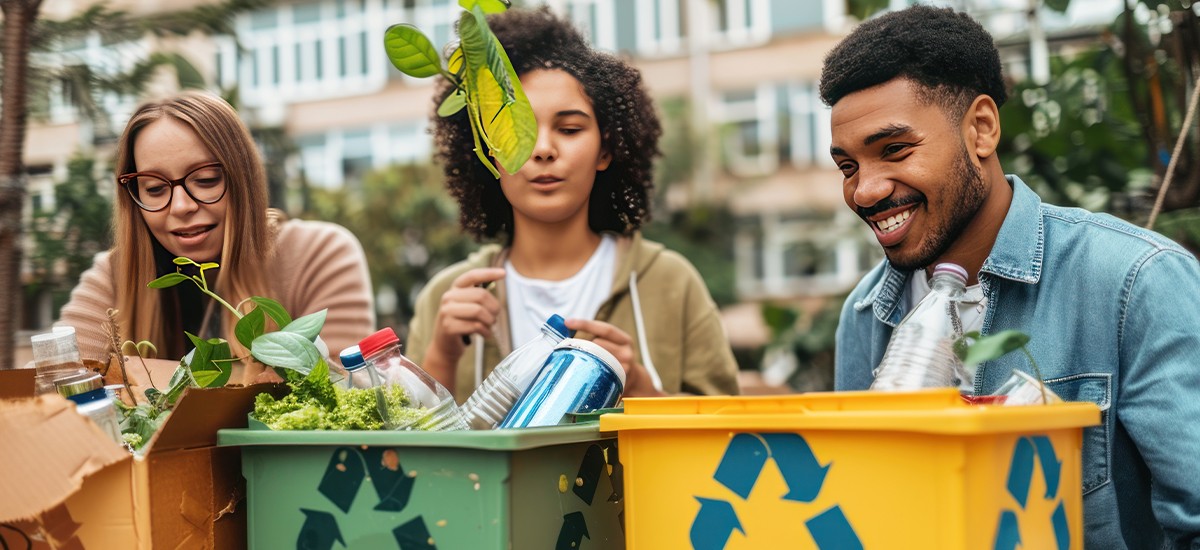
Recycling infrastructure: Installation of strategically placed recycling bins throughout the city.
Public awareness campaigns: Comprehensive educational campaigns aimed at informing the public about the importance of recycling.
Partnerships with recycling facilities: Established partnerships with local recycling centers for processing collected materials.
Upcycling initiatives: Establishing upcycling programs that encourage creative reuse of materials, such as transforming old electronics and furniture into new.
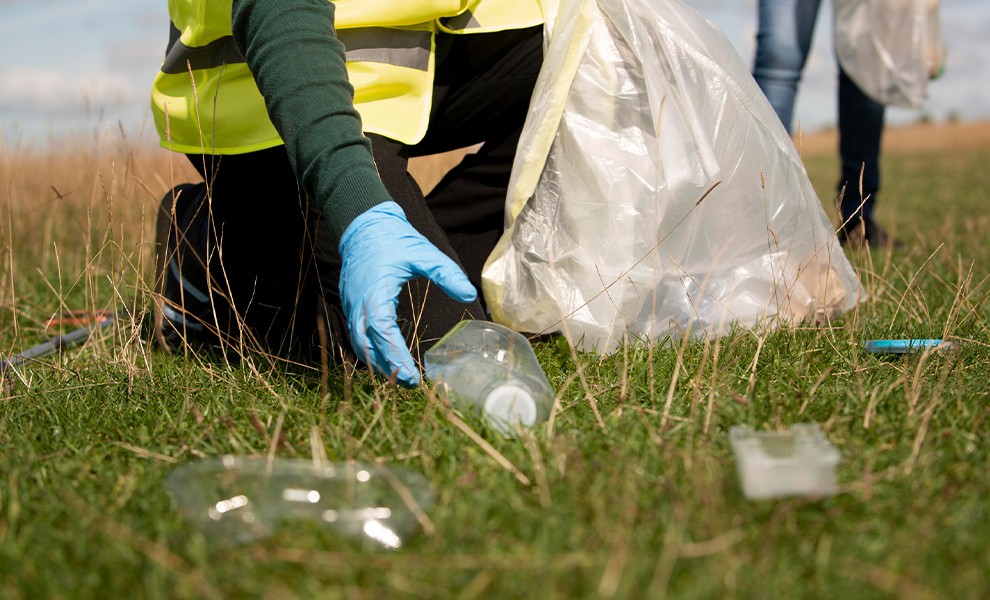
Community engagement: Organizing community clean-up events and recycling workshops to encourage active participation in the initiative.
Results
Increased recycling rates: The initiative delivered a 40% increase in recycling rates in its first year, resulting in a substantial reduction in landfill-bound waste.
Resource recovery: Over 1,000 tons of recyclable materials were diverted from landfills, including plastic.
Reduced carbon footprint: The initiative helped lower the city’s carbon emissions by reducing the need for raw material extraction and processing.
Community impact: Hundreds of residents and local businesses engaged with the program, and public participation in recycling efforts grew steadily.
Financial benefits: Local municipalities saved money on waste management costs and generated revenue from recyclable materials.
This case study exemplifies how a well-structured urban recycling initiative can transform waste management practices, contribute to environmental sustainability, and engage communities in meaningful action for a cleaner, greener future.



1000+
Tons of waste recycled
Location:
Lakeside, MI
Client:
Amanda Reed